
01Selected team experience

Virtual World Platform — Backend & Live Operations

Role
Backend / platform engineer

A real-time backend and live-operations platform for a persistent virtual world — combining player progression, content releases, analytics and support operations across Go, NestJS, PostgreSQL, DynamoDB, Redis, NATS and Kafka.

  • Go
  • NestJS
  • SvelteKit
  • PostgreSQL
  • DynamoDB
  • Redis
  • NATS
  • Kafka
  • WebSocket
  • Kubernetes
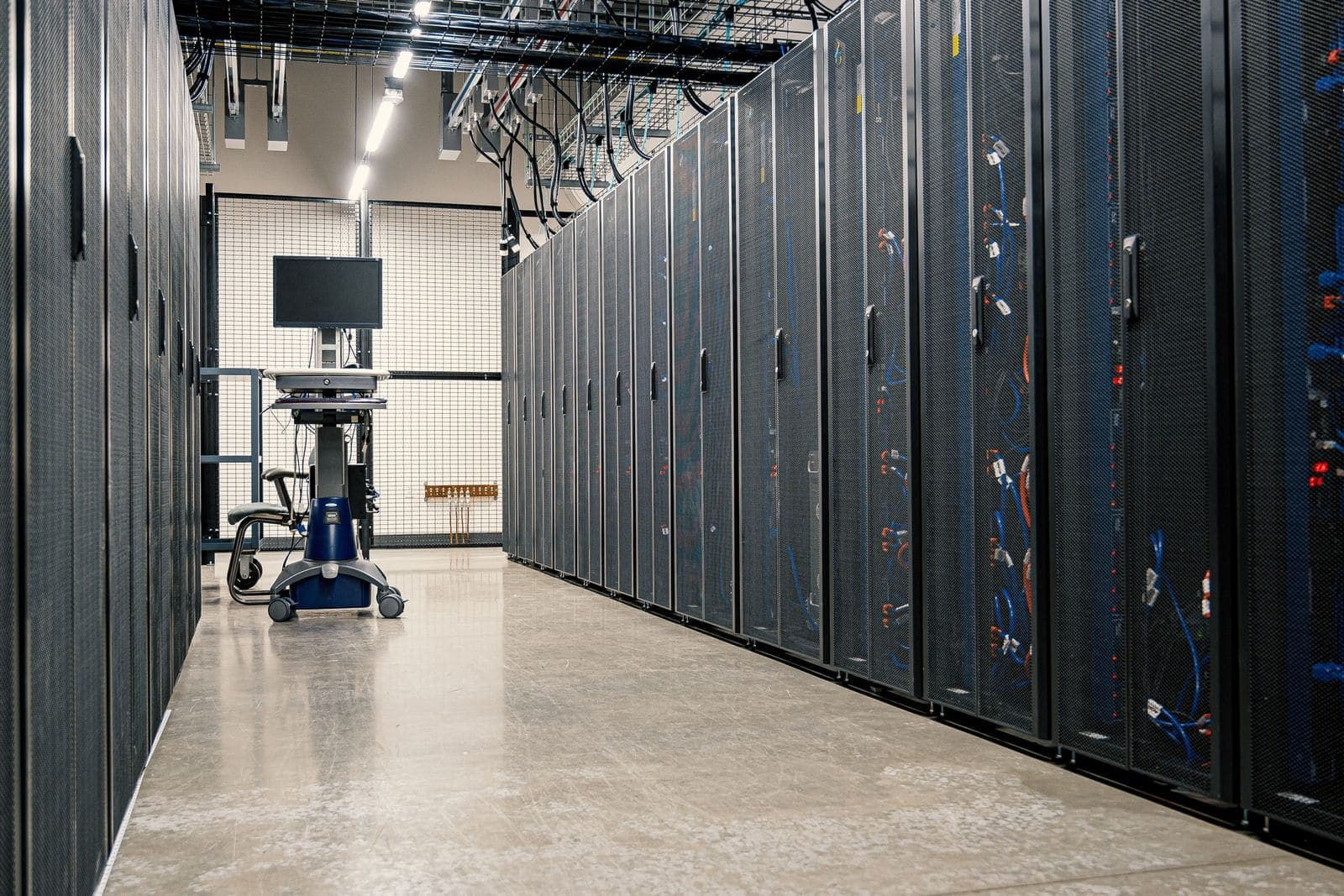
Virtual world platform — backend and live operations workstation
02Challenge

The problem

The product needed authoritative real-time state, persistent player data and frequent content releases without slowing the player experience or giving support teams unsafe access to the production hot path.

  • Persistent player profiles, progression and economy
  • Rich world systems — quests, NPCs, neighborhoods, collectible traits
  • Realtime session state across multiple server instances
  • Paid commerce and on-chain asset flows
  • Frequent live content releases without redeploying game logic
  • Safe operational tooling for support and content teams
03Solution

How it was solved

The architecture separated real-time gameplay, persistent data, content releases, telemetry and support operations. A Go WebSocket server handled live player actions, hybrid storage matched each data pattern, versioned PostgreSQL migrations became a controlled content pipeline and a dedicated support console managed repairs and reward grants.

04Evolution

Delivery path

  1. 01 · Alpha API

    NestJS monorepo — REST + WebSocket modules for players, quests, rewards, traits, eggs, minigames, leaderboards and analytics

  2. 02 · Realtime server

    Go authoritative game server — 100+ WebSocket action handlers, login/reconnect lifecycle, cross-instance messaging

  3. 03 · Content pipeline

    Versioned PostgreSQL migrations (schema + seed content) with selective release apply tooling

  4. 04 · Telemetry

    Shared Protobuf contracts + Kafka / Schema Registry transporter

  5. 05 · Live ops

    Go support API + SvelteKit console for profile repair, reward grants and dialogue CMS

05Architecture

Platform topology

Hybrid persistence matched access patterns: relational config and content in Postgres; high-churn player documents in DynamoDB; hot cache and rankings in Redis.

Game clients ──WebSocket/HTTP──► Go game server
Support agents ──HTTP──────────► Support API + SvelteKit UI
                     │
                     ├─ Ory / JWKS auth
                     ├─ PostgreSQL (config, narrative, balance data)
                     ├─ DynamoDB (profiles, purchases, inbox)
                     ├─ Redis (cache, leaderboards)
                     ├─ NATS (cross-instance player actions)
                     ├─ Kafka + Schema Registry (analytics events)
                     └─ Open Match / Agones (multiplayer allocation)
06Product

Product surface

  • Progression

    XP, levels, badges, quests, story arcs, daily streaks

  • Avatar & traits

    Customizable characters, trait boxes, collectible traits

  • World systems

    Neighborhoods, NPCs, dialogue, secrets, tutorials

  • Gameplay

    Fishing, eggs, minigames, obstacle courses, leaderboards

  • Social

    Friends, chat/voice, referrals, appear-offline

  • Commerce

    Storefront, Stripe, battle pass, redeemable campaigns

  • Realtime infra

    Stateful WS server, NATS bus, matchmaking

  • Live ops

    Versioned content DB, support grants, dialogue → GitHub PRs

07Engineering

Technical highlights

  • Realtime authority

    Stateful WebSocket dispatcher with reconnection, login hooks (inbox, referrals, quests), and a NATS server-action bus so commands reach players connected to other instances. Multiplayer allocation via Open Match, Kubernetes and Agones.

  • Content as releases

    PostgreSQL migrations double as a content platform. Quests, NPC dialogue, fishing populations, storefront SKUs and battle-pass data ship in ordered version folders; a Python release tool applies selected feature sets to named environments.

  • Schema-first analytics

    Shared Protobuf event families (UserConnect, UserTransaction, GameLog, FrontendError) with Confluent wire framing. 80+ transaction types cover acquisition, gameplay funnels, economy, social and purchases.

  • Support outside the hot path

    Internal console for searching/editing player profiles, granting compensatory inbox rewards, reviewing purchases and editing NPC/quest dialogue. Dialogue edits integrate with GitHub PRs so narrative changes are reviewable, not silent production writes.

08Scope

What the team delivered

  1. Evolved the platform toward a purpose-built Go real-time server

  2. Built more than 100 real-time action handlers

  3. Introduced cross-instance messaging and hybrid persistence

  4. Shipped content without redeploying core game logic

  5. Established schema-first analytics events

  6. Created safer tooling for live support and content operations

09Services

Repos & services

Anonymized service family across the platform.

ServiceResponsibilityStack
Legacy Game APIAlpha REST/WS API, shared packages, contractsTypeScript, NestJS, TypeORM
Realtime Game ServerAuthoritative gameplay, commerce, socialGo, Chi, WebSocket, NATS, Kafka
DB MigrationsVersioned schema + game contentPostgreSQL SQL
DB Push ToolingSelective release apply to environmentsPython, psql
Event ContractsShared Protobuf schemasProtobuf, Go codegen
Data Platform LibKafka + Schema Registry adapterGo, Kafka
Support BackendCS / live-ops APIGo, Chi, DynamoDB, Postgres
Support FrontendOperator consoleSvelteKit, Vite
10Outcomes

Results that matter

Migrated a broad game domain toward a purpose-built Go realtime server while preserving progression, economy and social systems.

  • Evolved the platform toward a purpose-built Go real-time server

  • Built more than 100 real-time action handlers with cross-instance messaging and hybrid persistence

  • Shipped versioned content releases without redeploying core game logic

  • Established schema-first analytics events and safer tooling for live support and content operations

Rough scale across the service family: ~1,500 source files and 3,000+ commits over an 18+ month evolution window.

Realtime multiplayer backends, hybrid data modelling, content-release tooling, schema-first analytics and safe live-ops platforms.

11Visuals
Architecture overview of the virtual world backend platform
Internal support console for live operations
13Next step

Need similar engineering applied to your business?